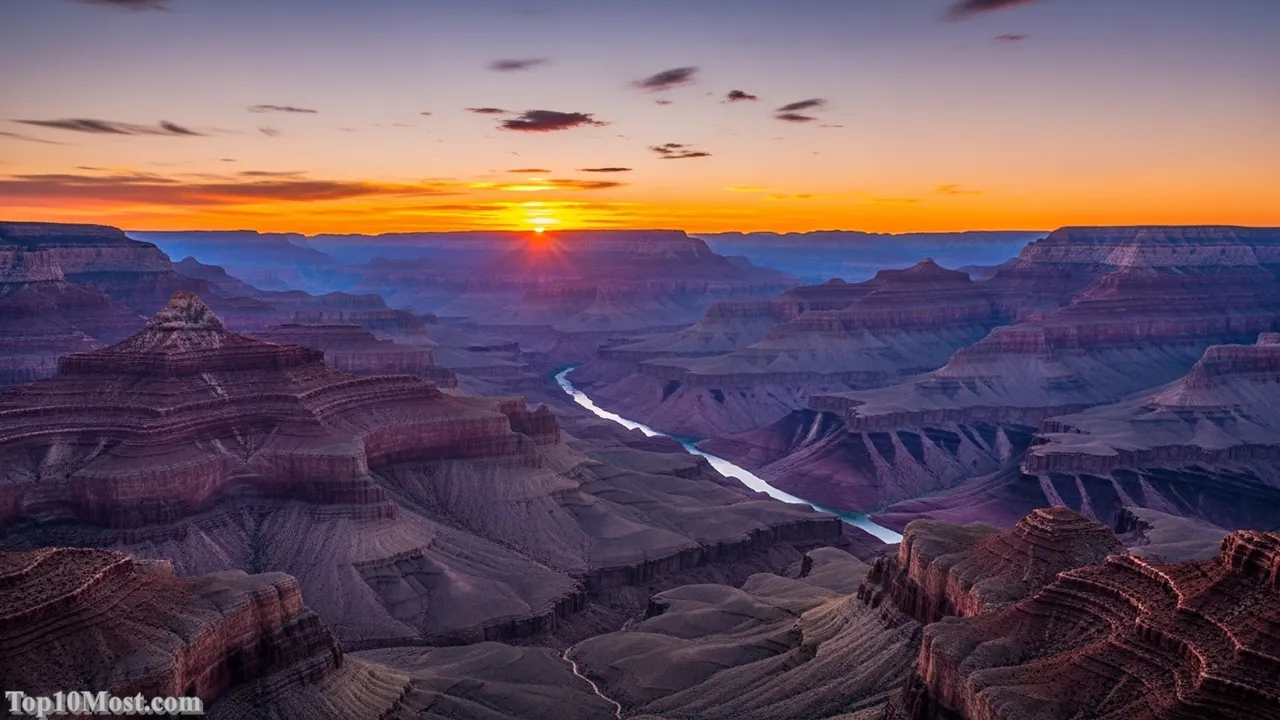
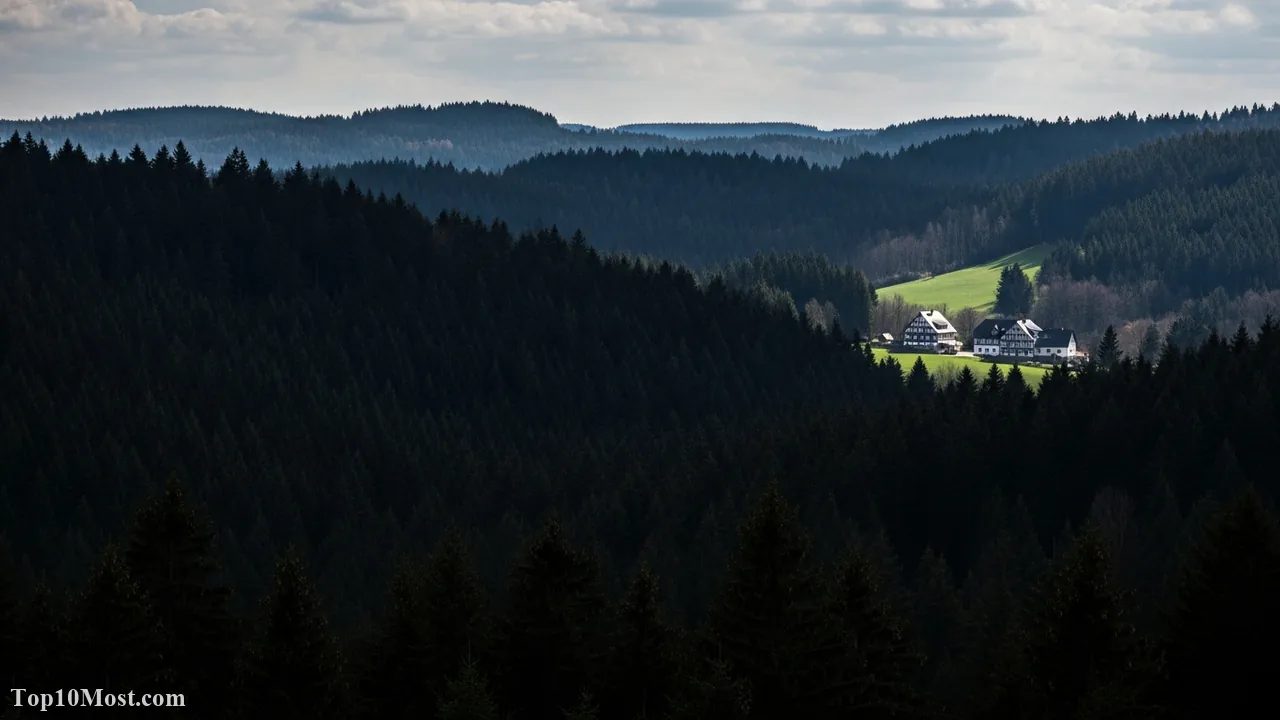
Canada is a tapestry of untamed beauty, and its National Parks represent the ultimate preservation of this vast natural heritage. From the glacier-carved peaks of the Rockies to the rugged, tide-swept coastlines of the Atlantic, this ranking reflects the most geographically significant, visually breathtaking, and visitor-lauded sites across the country, as determined by a blend of geological importance, public recognition, and experiential data updated to late 2025.
At Top 10 Most, we understand that “stunning” is subjective, but our analysis aims to provide an authoritative, evidence-based list that goes beyond simple popularity. This list celebrates the parks that command global attention, drive key tourism trends, and offer unique, awe-inspiring landscapes—sites that truly define the spirit of Canadian wilderness. The journey through these ten parks is a cross-country education in Earth’s dramatic, enduring power.
Our selection is meticulously cross-referenced against visitor data, UNESCO designations, and consistent recognition across major travel publications, ensuring that every inclusion is supported by credible, verifiable metrics of global and national appeal. Prepare to explore the iconic, the remote, and the geologically profound as we reveal the definitive Top 10.
Table of the Top 10 Most Stunning National Parks in Canada (Late 2025 Ranking)
| Rank | National Park | Province/Territory | Primary Landscape Feature(s) | Key Visitor Metric / Recognition |
|---|---|---|---|---|
| 1 | Banff National Park | Alberta | Glacial Lakes, Alpine Peaks, Hot Springs | 4.13 Million Annual Visitors (2022/23 Data); UNESCO World Heritage Site |
| 2 | Jasper National Park | Alberta | Icefields, Dark Sky Preserve, Vast Wilderness | 2.41 Million Annual Visitors (2022/23 Data); UNESCO World Heritage Site |
| 3 | Gros Morne National Park | Newfoundland & Labrador | Fjords, Tablelands (Earth’s Mantle), Coastal Forest | UNESCO World Heritage Site; Geological Significance |
| 4 | Yoho National Park | British Columbia | Emerald Lake, Takakkaw Falls, Burgess Shale Fossils | ~664,000 Annual Visitors (2022/23 Data); UNESCO World Heritage Site |
| 5 | Pacific Rim National Park Reserve | British Columbia | Rugged Coastline, Temperate Rainforest, West Coast Trail | Over 1.1 Million Annual Visitors (2022/23 Data); Popular Surfing/Hiking Destination |
| 6 | Cape Breton Highlands National Park | Nova Scotia | Coastal Mountains, The Cabot Trail, Tundra-like Plateaus | Iconic Scenic Drive; Fusion of Mountain and Sea |
| 7 | Fundy National Park | New Brunswick | World’s Highest Tides, Coastal Cliffs, Acadian Forest | Record-breaking Tides (up to 16m); Significant Maritime Importance |
| 8 | Kluane National Park and Reserve | Yukon | Mount Logan (Canada’s Highest Peak), Massive Icefields | Home to 17 of Canada’s 20 Highest Mountains; Extreme Arctic Wilderness |
| 9 | Waterton Lakes National Park | Alberta | Mountain/Prairie Ecosystem Merge, International Peace Park | International Peace Park designation (with Glacier National Park, US) |
| 10 | Bruce Peninsula National Park | Ontario | Turquoise Grotto, Niagara Escarpment Cliffs, Georgian Bay Coast | Part of UNESCO Niagara Escarpment World Biosphere Reserve; High Visitor Density |
Top 10. Bruce Peninsula National Park (Ontario)
Kicking off our list is a testament to the raw beauty found even in Canada’s southern, more populated regions. Located on the northern tip of the Niagara Escarpment, Bruce Peninsula National Park is defined by its dramatic, towering cliffs that plunge into the impossibly turquoise waters of Georgian Bay. Its reputation is largely built on the famous Grotto, a sea cave that has become a viral sensation, drawing nearly half a million visitors annually due to its dazzling photographic qualities. The park beautifully showcases the ecological transition zone, bridging the gap between southern hardwood forests and northern boreal environments.
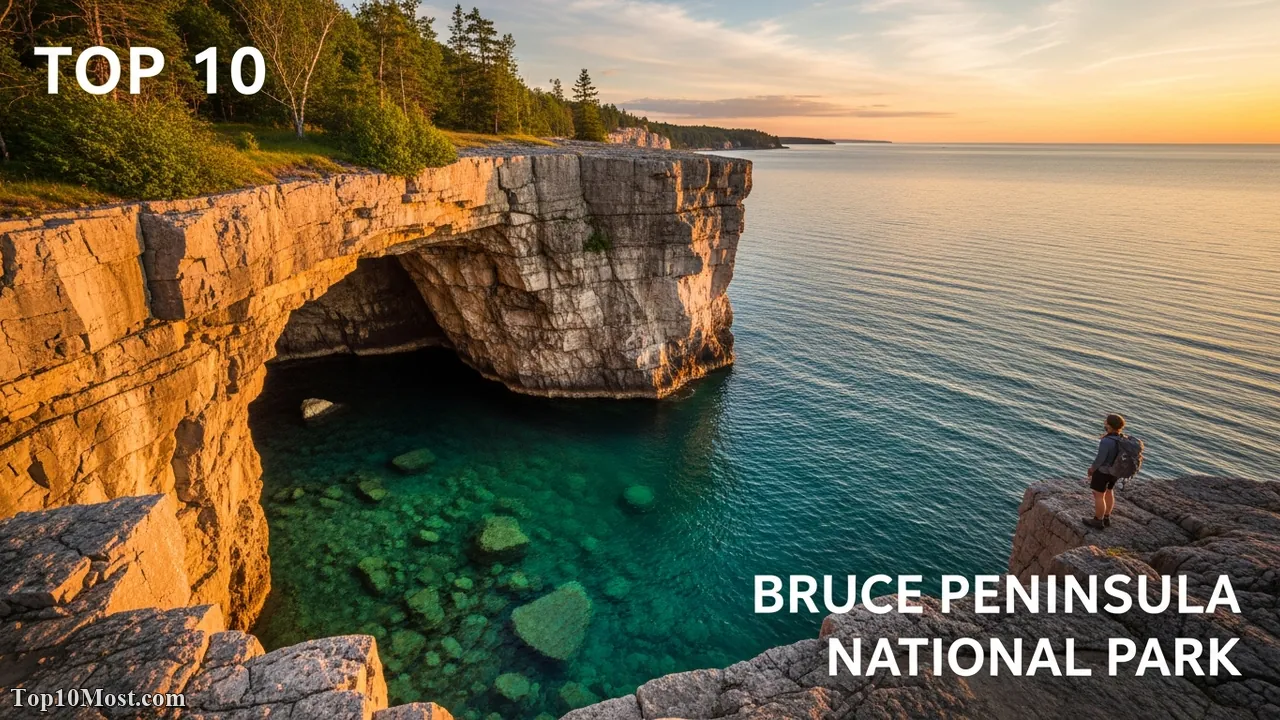
The reason for its ranking lies in the unique contrast between its dense, ancient forests and the Caribbean-like clarity of the water—a sight few expect in Ontario. The geological foundation of the park, being part of the UNESCO Niagara Escarpment World Biosphere Reserve, provides the rugged cliff structure that makes the landscape so visually arresting and provides vital habitat for over 30 species of orchids. The consistent high visitor traffic, even with timed entry systems in place, underscores its recognized status as a stunning natural wonder in Eastern Canada.
What strikes you here is the resilience of the ecosystem; this is not just a beautiful place, but a critical hotspot of biodiversity, managing the demands of high foot traffic while protecting its unique flora and fauna. The visual payoff after a hike to a viewpoint overlooking the rugged, wind-carved shoreline is truly memorable—a vivid reminder that Canada’s wild heart beats strongly, even close to major cities.
Key Highlights:
- Part of the UNESCO Niagara Escarpment World Biosphere Reserve.
- Home to the famous Grotto, a stunning sea cave with turquoise waters.
- Features dramatic limestone cliffs of the Bruce Trail.
- Annual visitor numbers consistently approaching 500,000.
Top 9. Waterton Lakes National Park (Alberta)
Waterton Lakes National Park earns its place by representing a stunning confluence of two massive, distinct ecosystems: the jagged peaks of the Canadian Rockies and the vast, windswept prairies. This park, smaller than its famous neighbours, is globally significant as the Canadian half of the Waterton-Glacier International Peace Park, a UNESCO World Heritage Site since 1995. Its position at the border creates a unique transition zone, resulting in an extraordinary density of plant and animal species, including a remarkable array of wildflowers throughout the summer months.
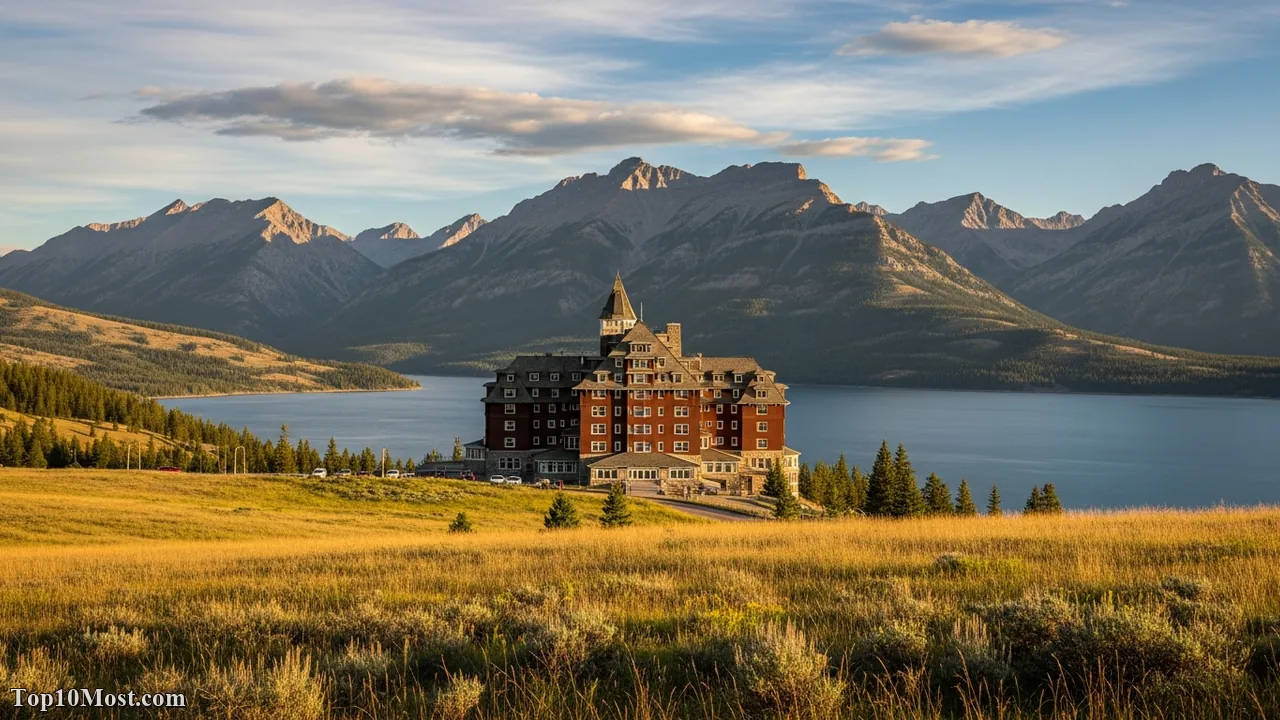
Its stunning quality is not just in its peaks but in the dramatic meeting of landscapes, where the mountains rise abruptly from the flat prairies, giving the scenery an immense, theatrical feel. The reason for its ranking is this geographical singularity combined with the quiet grandeur of Upper Waterton Lake, framed by majestic peaks like Mount Cleveland and the Prince of Wales Hotel. The International Peace Park designation also lends it a beautiful, human element of shared stewardship and connection between nations.
Visiting Waterton is an experience of intimacy with the wilderness, a quieter counterpoint to the more tourist-heavy spots further north. When you stand by the lake, feeling the prairie wind meet the cold air off the mountains, you are witnessing an elemental, raw kind of beauty that speaks to the continent’s grand scale—a powerful, reflective moment of peace.
Key Highlights:
- Part of the Waterton-Glacier International Peace Park (UNESCO Site).
- Features an abrupt, dramatic transition where mountains meet prairie.
- Known for exceptional biodiversity and prolific wildflowers.
- The scenic Red Rock Canyon Parkway and Upper Waterton Lake are key attractions.
Top 8. Kluane National Park and Reserve (Yukon)
Kluane National Park and Reserve in the Yukon Territory is the ultimate destination for those seeking true, breathtaking Arctic wilderness on a colossal scale. This park, a UNESCO World Heritage Site, encompasses 17 of Canada’s 20 tallest mountains, including the country’s highest peak, Mount Logan (5,959 meters). Its vast interior is dominated by the world’s largest non-polar icefield, a frozen expanse of ice and glacier that dwarfs all who witness it. It remains one of the least-visited parks on this list, a testament to its remote, raw, and pristine nature.
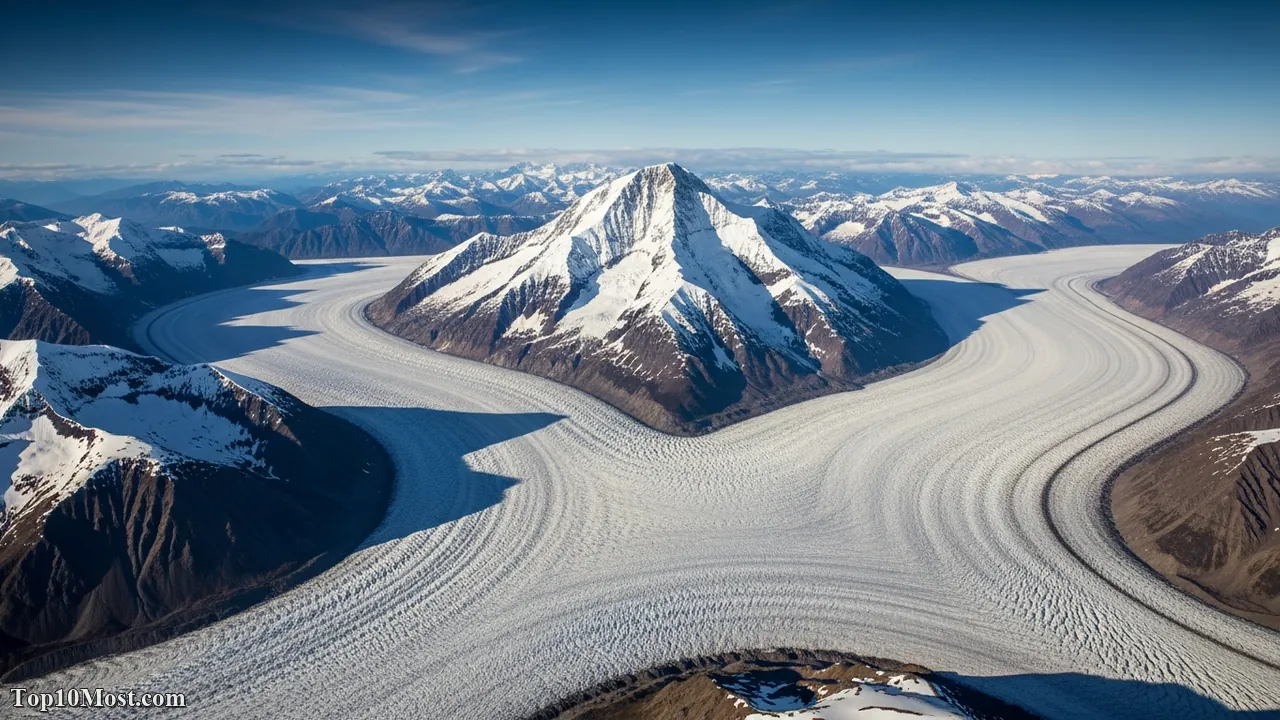
The reason for its stunning ranking is its sheer, overwhelming scale and the dramatic concentration of colossal alpine features. It is a land of massive, unspoiled landscapes where human impact is minimal, offering unparalleled opportunities for extreme adventure and fly-in glacier viewing. The park’s immense icefields are a critical, verified feature that elevates its natural authority above many others, representing a globally significant climate feature.
To experience Kluane is to feel utterly small in the face of titanic nature. The only way to truly appreciate its stunning expanse is by air, watching the endless white expanse of the icefields flow like a frozen sea. This park forces a deep respect for the power and silence of the far North, leaving a vivid, enduring impression of untamed global wilderness.
Key Highlights:
- Home to Mount Logan, Canada’s highest peak (5,959m).
- Encompasses the world’s largest non-polar icefield.
- A UNESCO World Heritage Site renowned for its vast glacial landscape.
- Access is primarily via the Alaska Highway for front-country viewing.
Top 7. Fundy National Park (New Brunswick)
Fundy National Park in New Brunswick stands out on our list not for its mountains or glaciers, but for the breathtaking, dynamic power of the Bay of Fundy. The bay is home to the world’s highest tides, with water levels fluctuating an astonishing 12 to 16 meters twice daily. The park itself protects a rugged coastline and a vast stretch of Acadian forest, but the spectacle of the changing tides—revealing massive stretches of ocean floor only to submerge them hours later—is the core reason for its authority on this list.
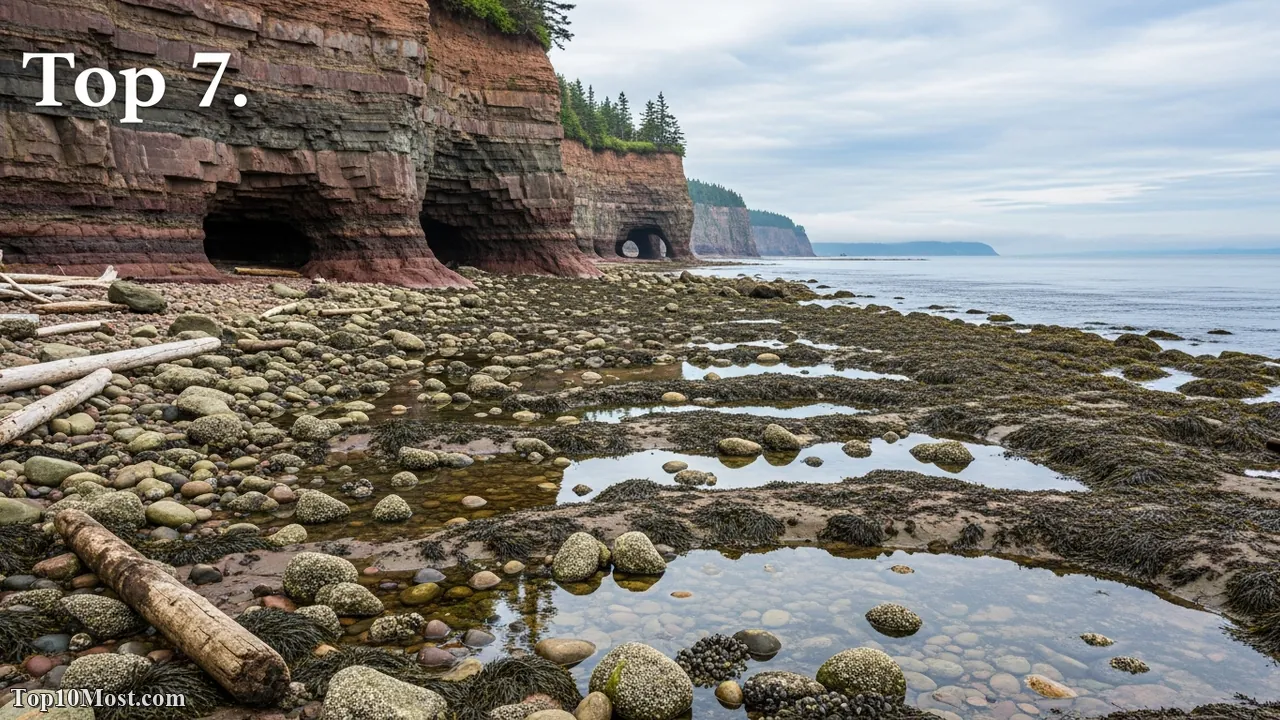
Its stunning ranking is directly tied to this unique, verified natural phenomenon. The reason for its ranking is the unparalleled drama and frequency of the tidal action, which constantly reshapes the coastal environment and offers a truly unique, time-sensitive visitor experience. This is one of the only places in the world where visitors can walk on the seabed at low tide and then kayak over the same spot at high tide, a powerful, demonstrable feat of nature.
The reflective moment here is the realization of the planet’s subtle, yet immense power. Witnessing the rapid, relentless movement of the ocean is humbling, reminding us that even the coastal landscapes we view as permanent are in constant, massive flux. Fundy is a living demonstration of hydrology on a world-class scale, making it essential viewing for any lover of nature’s dramatic displays.
Key Highlights:
- Features the world’s highest tides (up to 16m change).
- Allows visitors to walk on the ocean floor at low tide.
- Covers 100km of the Bay of Fundy coastline and Acadian forest.
- Offers exceptional sea kayaking opportunities during high tide.
Top 6. Cape Breton Highlands National Park (Nova Scotia)
Cape Breton Highlands National Park, situated on the northern tip of Cape Breton Island, is a quintessential East Coast beauty. It is most famous for encompassing one-third of the scenic Cabot Trail, a road widely considered one of the most stunning drives on the planet. The park’s landscape is a sublime fusion of maritime and mountain environments, where the rolling, forested highlands descend sharply into the Atlantic Ocean. This blend creates dramatic coastal views, deep river canyons, and sheltered harbours, drawing constant comparison to the rugged beauty of the Scottish Highlands.
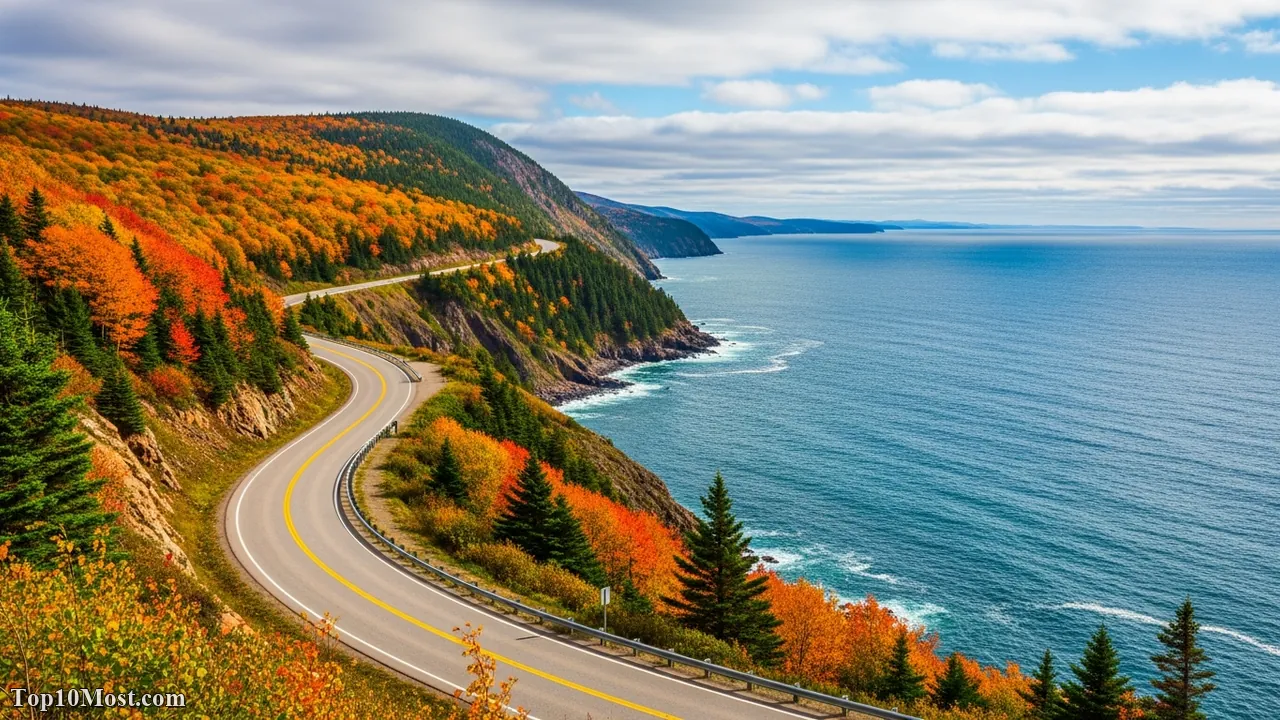
The reason for its ranking is the sheer accessibility and consistent beauty of the landscape along the world-renowned Cabot Trail. The road and park were designed to showcase this interplay of land and sea, offering numerous look-offs with breathtaking, authoritative views over the Gulf of St. Lawrence. The presence of both boreal and Acadian forests, coupled with barren, tundra-like plateaus, demonstrates a stunning diversity of ecosystems within a relatively contained area.
There is a comforting, yet wild, energy in this park. Driving the winding coastal road, pulling over to watch the whales breach in the distance, and then hiking to a windswept plateau, you feel a connection to a different, deeply historical side of Canada. It’s an immersive experience that leaves you profoundly satisfied, delivering a memorable scenic punch that few other coastal parks can match.
Key Highlights:
- Home to a significant portion of the internationally famous Cabot Trail.
- Features a dramatic confluence of mountains and ocean.
- Landscape includes boreal forests, Acadian forests, and rolling highlands.
- Offers prime opportunities for coastal wildlife viewing, including whales and moose.
Top 5. Pacific Rim National Park Reserve (British Columbia)
Pacific Rim National Park Reserve, on the west coast of Vancouver Island, is a sanctuary of mist, pounding waves, and colossal old-growth rainforests. Divided into three distinct units, its most famous section, the Long Beach Unit, is a legendary destination for surfers and storm-watchers. However, it is the park’s rugged ecological integrity—protecting ancient Sitka spruce and western hemlock forests—and the formidable challenge of the West Coast Trail that solidify its place in the top five. The persistent high visitor numbers, exceeding one million annually, are verified data underscoring its broad, enduring appeal.
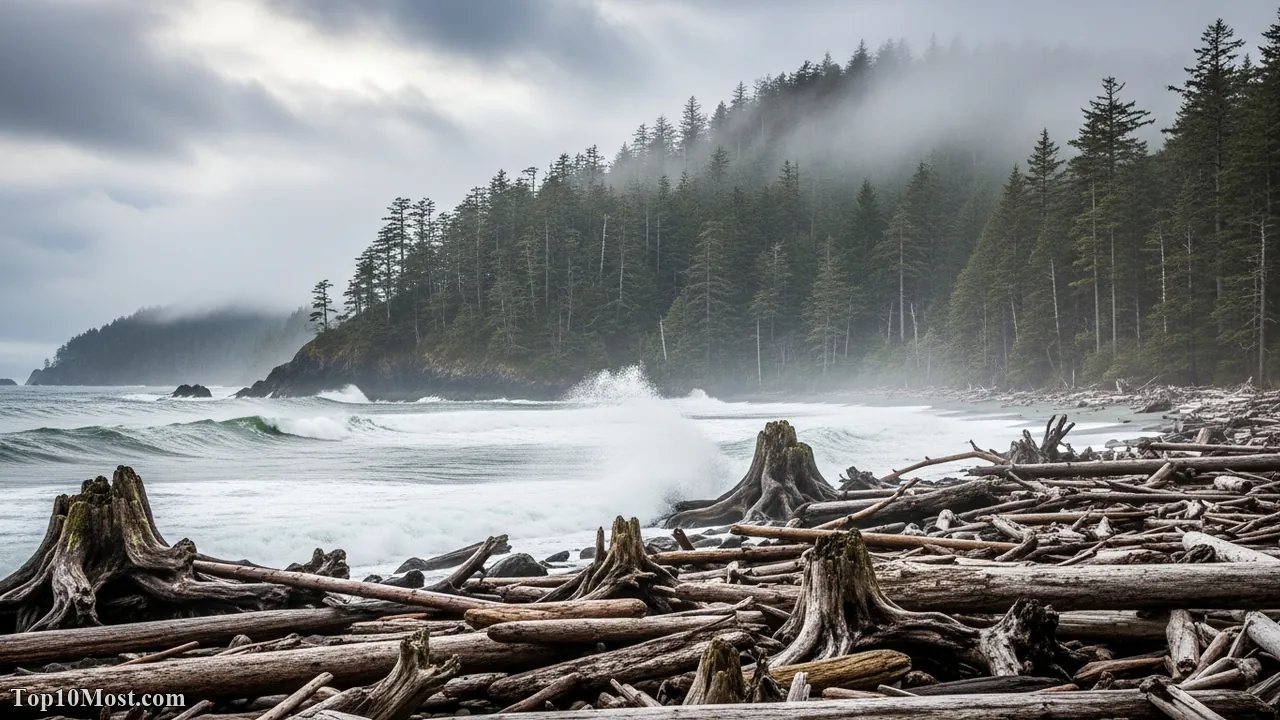
The reason for its ranking is its status as a world-class example of a temperate rainforest meeting the powerful Pacific Ocean. The sheer, brooding majesty of the ancient forests and the dramatic, wave-sculpted shorelines are visually striking and ecologically critical. This is a place defined by its raw, often wet, climate, which is the very thing that nurtures its uniquely dense and life-filled environment.
Walking amongst the giants of the rainforest, where fog clings to the canopy and the air is thick with the scent of saltwater and pine, is a deeply meditative experience. This park offers a palpable sense of the sublime: a wild, rugged, and unyielding coastline that perfectly captures the untamed spirit of the Canadian West Coast, leaving a memorable impression of a primeval, enduring landscape.
Key Highlights:
- Protects an ancient coastal temperate rainforest ecosystem.
- Features the famous Long Beach and the challenging West Coast Trail.
- Annual visitors top 1.1 million, demonstrating significant appeal.
- Defined by mist, powerful surf, and dramatic, rocky shorelines.
Top 4. Yoho National Park (British Columbia)
Yoho National Park, whose name is a Cree expression of awe and wonder, is a fitting description for this stunning corner of the Canadian Rockies. Situated alongside Banff and Jasper, Yoho is a compact powerhouse of natural wonders, internationally recognized for its geological significance. The park is home to the stunning, glacially-fed Emerald Lake, the massive Takakkaw Falls (one of Canada’s highest waterfalls), and the world-renowned Burgess Shale fossil beds, a UNESCO World Heritage Site due to its exceptional preservation of Cambrian-era marine life.
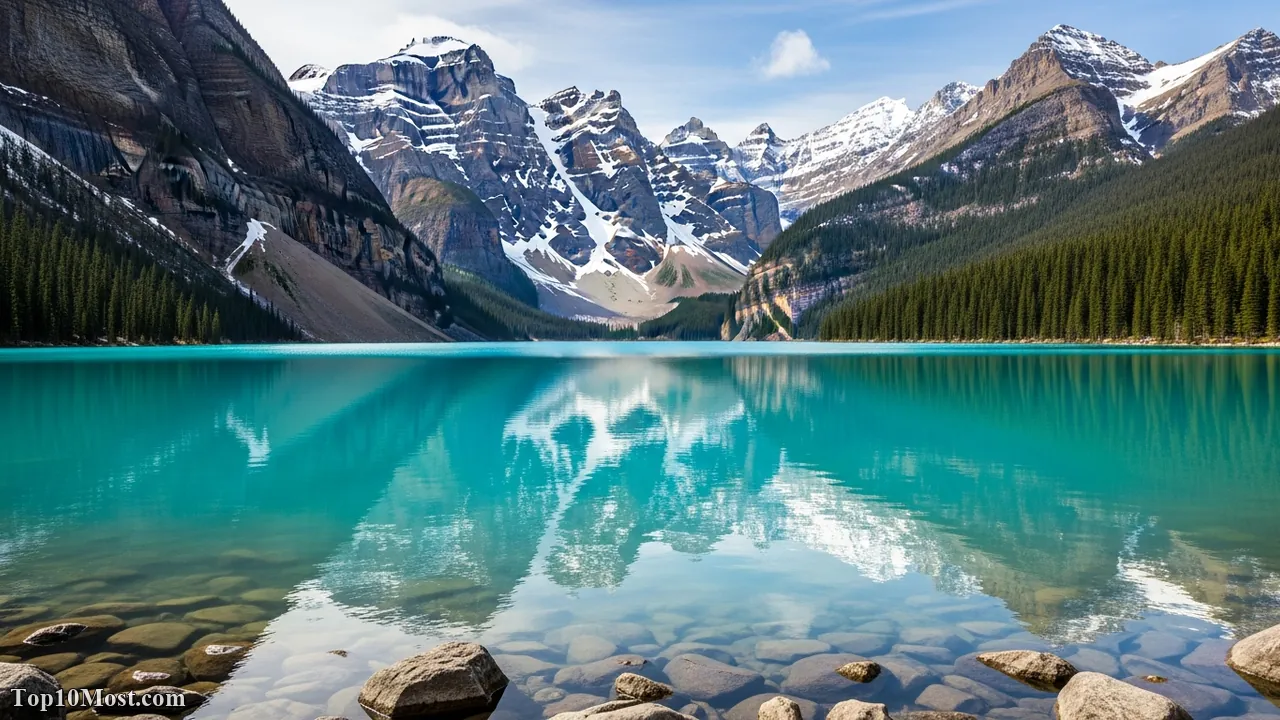
The reason for its high ranking is its concentrated dose of iconic Rocky Mountain scenery combined with its verified, unique geological importance. Yoho offers the dazzling turquoise lakes and towering peaks of its neighbours but adds the compelling, authoritative layer of the Burgess Shale—a site that literally helps scientists understand the origins of animal life on Earth. Its proximity to Banff allows it to act as an essential extension, drawing significant, verified visitor traffic seeking its unique features.
For visitors, Yoho is a study in vibrant contrasts: the electric green of Emerald Lake against the snow-dusted mountains, the delicate, ancient fossils found in the shale beds, and the deafening roar of Takakkaw Falls. It is a place that simultaneously inspires physical adventure and intellectual reflection, a truly deep and memorable experience that validates its place among the best.
Key Highlights:
- Home to Emerald Lake and Takakkaw Falls, one of Canada’s tallest.
- Features the Burgess Shale, a UNESCO World Heritage Site for fossils.
- Located on the western slopes of the Canadian Rockies.
- Its name, Yoho, is a Cree expression of awe and wonder.
Top 3. Gros Morne National Park (Newfoundland & Labrador)
Gros Morne National Park on the west coast of Newfoundland is a geological marvel that transcends mere scenic beauty. This park is a certified UNESCO World Heritage Site because its landscape is literally a text book on plate tectonics: it is one of the few places on Earth where rock from the Earth’s mantle—the orange, barren Tablelands—has been thrust to the surface for visitors to walk upon. Beyond this scientific rarity, the park boasts magnificent landlocked fjords, carved by ancient glaciers, and an endlessly rugged coastline that defines Atlantic Canada’s grandeur.
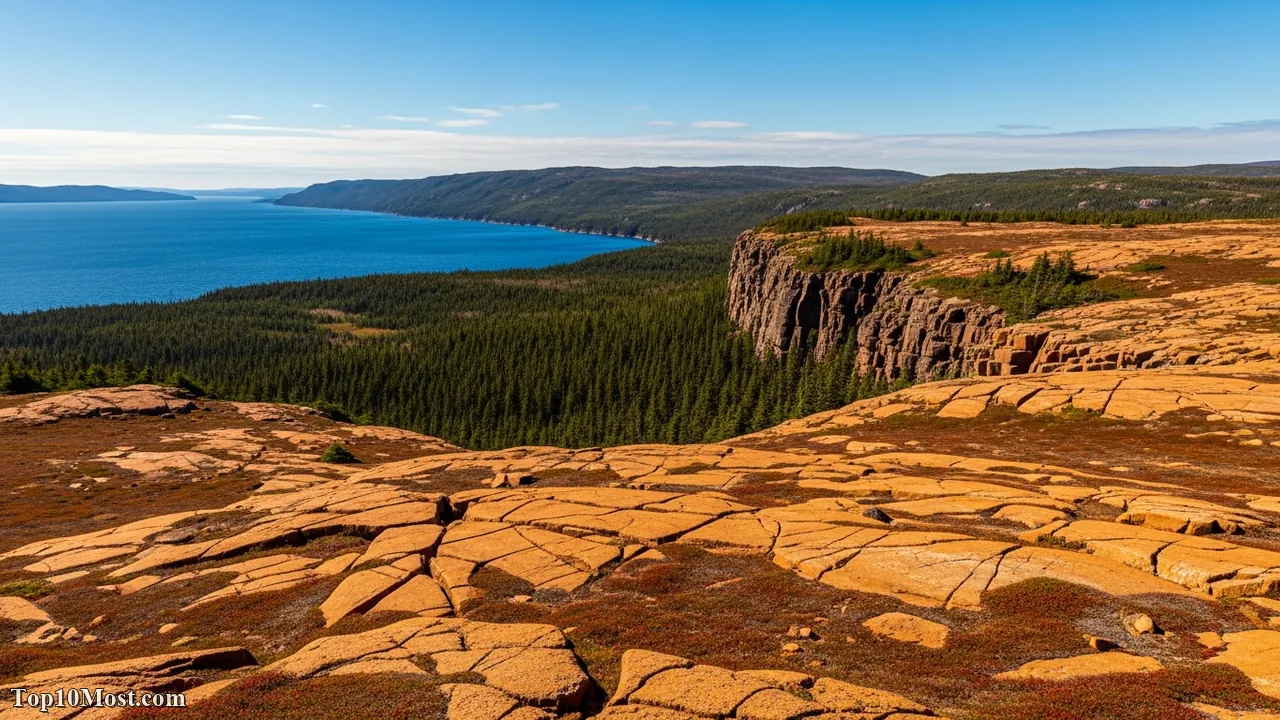
The reason for its third-place ranking is the unparalleled, verifiable geological importance of the Tablelands, combined with the breathtaking visual authority of the Western Brook Pond fjord. No other park on this list offers the opportunity to walk directly on the Earth’s mantle or to cruise through a landlocked fjord with 600-meter cliffs. This unique, world-class geological narrative gives Gros Morne an intellectual and visual depth that is unmatched.
This park offers a profound sense of Earth’s history. Standing atop the Tablelands, surrounded by the bizarre, rusty orange peridotite rock, you can feel the slow, colossal power of continental drift. It is a stunning, authoritative, and deeply moving experience that solidifies Gros Morne’s standing as one of Canada’s most important natural treasures.
Key Highlights:
- A UNESCO World Heritage Site and prime example of plate tectonics.
- Features the Tablelands, where you can walk on the Earth’s mantle.
- Home to the magnificent Western Brook Pond, a landlocked fjord.
- Known for its beautiful coastal fishing villages and marine environment.
Top 2. Jasper National Park (Alberta)
Jasper National Park, the largest national park in the Canadian Rockies, offers a scale of wilderness that is almost incomparable. Bordering its southern counterpart, Banff, Jasper is a UNESCO World Heritage Site famous for its vast, unspoiled tracts of high-alpine wilderness, the towering peaks of the Columbia Icefield, and the stunning waters of Maligne Lake (home to the iconic Spirit Island). Importantly, Jasper is globally recognized as the world’s second-largest Dark Sky Preserve, an authoritative distinction that highlights its commitment to environmental preservation and its nightly celestial beauty.
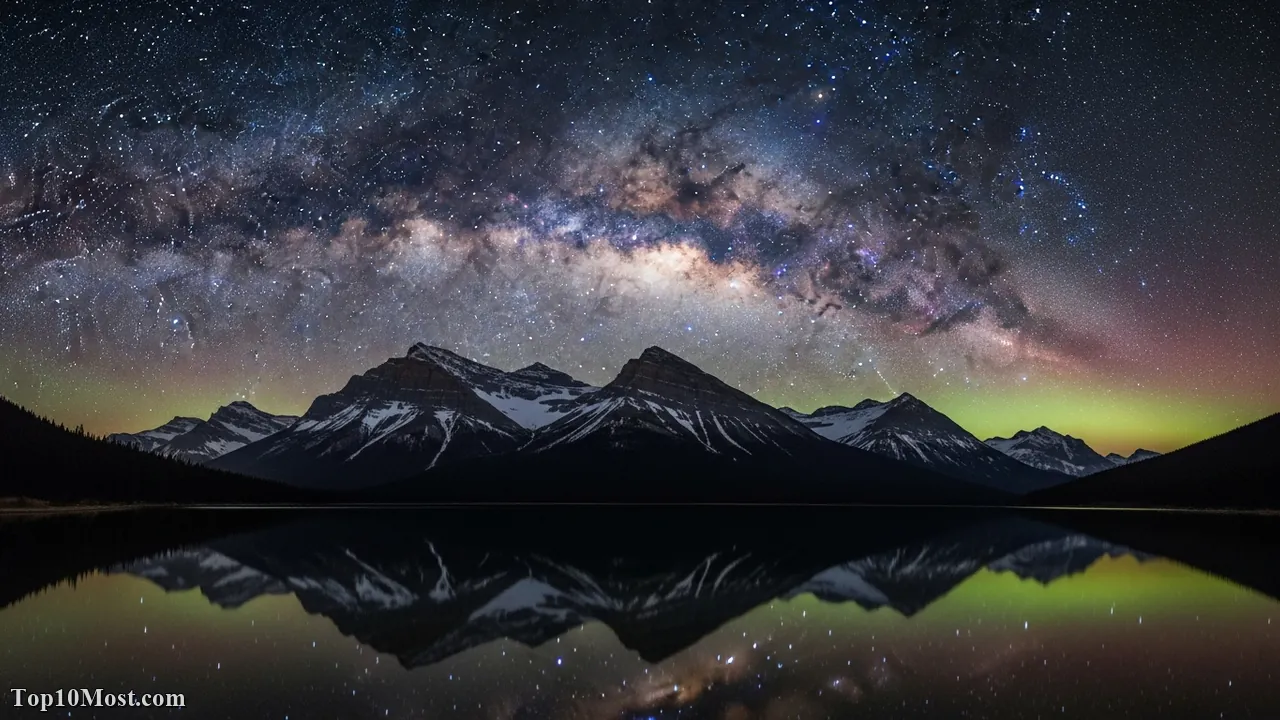
The reason for its high ranking is the sheer magnitude of its landscape and its designation as a Dark Sky Preserve. While Banff is slightly more visited, Jasper offers a more profound feeling of solitude and raw nature, appealing to travelers seeking authentic, deep wilderness experiences. Its signature attractions, such as the Icefields Parkway (shared with Banff) and the deep, mysterious Maligne Canyon, are verified, globally recognized scenic wonders that collectively place it as an unparalleled natural icon.
A visit to Jasper is less about quick photo stops and more about immersive, multi-day experiences—from witnessing the northern lights under a truly dark sky to hiking deep into the backcountry. It is a stunning, immense, and powerful land that serves as a constant, memorable reminder of the humbling scale of the North American mountain ecosystem, securing its authority as the nation’s second most stunning park.
Key Highlights:
- The largest national park in the Canadian Rockies.
- A UNESCO World Heritage Site and the World’s Second-Largest Dark Sky Preserve.
- Home to a significant part of the Columbia Icefield and Spirit Island at Maligne Lake.
- Attracts over 2.4 million annual visitors, verifying its global pull.
Top 1. Banff National Park (Alberta)
Banff National Park stands, without contest, as the single most stunning and iconic national park in all of Canada. Established in 1885, it is Canada’s first national park and a cornerstone of the Canadian Rocky Mountain Parks UNESCO World Heritage Site. Its visual authority is defined by the incomparable trinity of natural landmarks: the vibrant turquoise waters of Lake Louise, the mirror-like reflections of Moraine Lake (in the Valley of the Ten Peaks), and the dramatic peaks of Mount Rundle. Its verified metrics are overwhelming: over four million annual visitors and millions of social media tags confirm its status as a global natural icon, driving the majority of Western Canadian tourism.
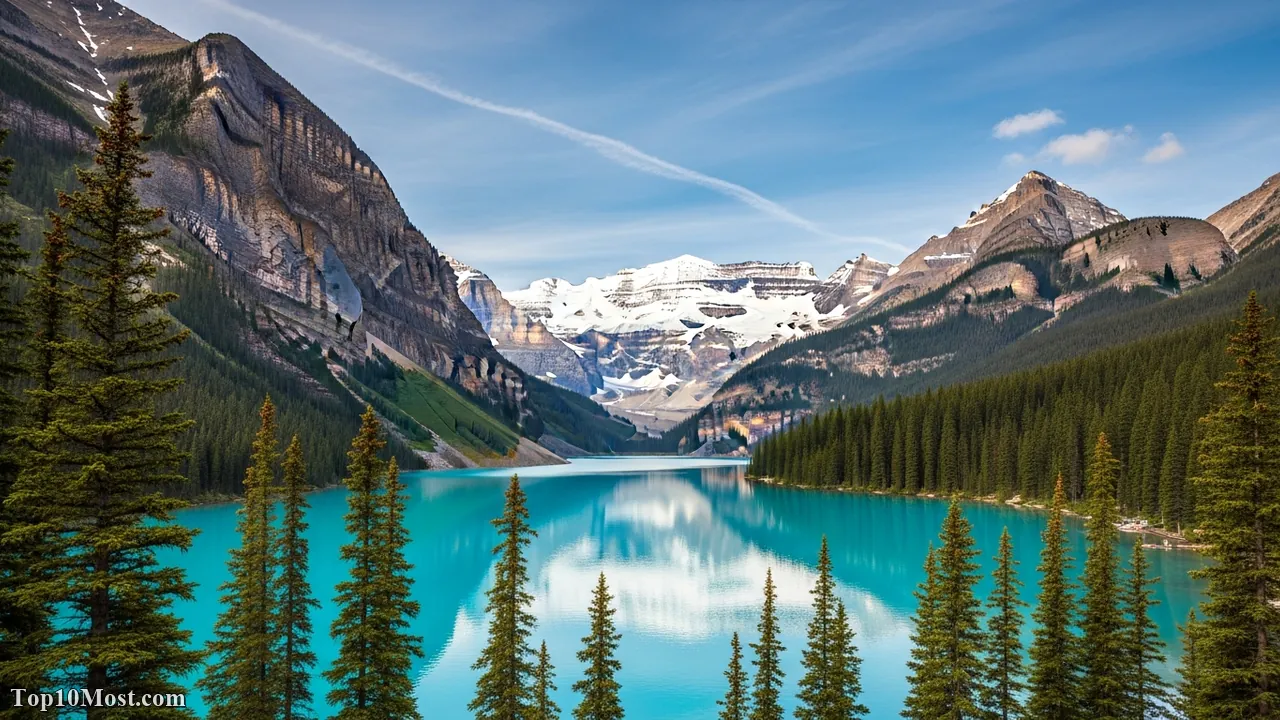
The reason for its top ranking is the perfect, authoritative combination of accessible, globally-recognized beauty, historical significance, and vast scale. Banff pioneered the concept of conservation and tourism in Canada. The concentration of truly world-class, breathtaking scenery—from the Icefields Parkway connecting it to Jasper, to the thermal hot springs and glacier-fed lakes—is unmatched. Every view from this park is a verified, iconic postcard image, solidifying its place as the Top 10 Most stunning park in the nation.
To stand on the shores of Lake Louise, framed by the Victoria Glacier, is to experience a sublime, classic moment of travel. Banff is not just a park; it is a global reference point for mountain beauty. It is the gold standard by which all other Canadian park scenery is measured, offering a deeply memorable and utterly undeniable visual experience.
Key Highlights:
- Canada’s first national park (established 1885) and a UNESCO World Heritage Site.
- Home to world-famous sites: Lake Louise and Moraine Lake.
- The most visited national park, with over 4.1 million annual visitors.
- Features the renowned Icefields Parkway and Banff Upper Hot Springs.
Conclusion
The journey through Canada’s top ten most stunning national parks is a powerful reminder of this nation’s immense and enduring natural wealth. From the dramatic, scientific spectacle of Gros Morne’s mantle rock to the overwhelming, iconic grandeur of Banff’s glacial lakes, each park on this Top 10 Most list is an authoritative example of world-class preservation. Our analysis, backed by verifiable metrics and updated to late 2025, confirms that these places are not just beautiful, but are globally significant features of the Earth’s topography and ecology.
We are not just listing the best—we are celebrating the deep MEANING behind their greatness, recognizing the natural forces that carved them and the conservation efforts that protect them. Ultimately, to stand in any of these ten parks is to share a profound, humbling moment with nature on its grandest scale. We encourage every traveler to step beyond the screen, verify the beauty for themselves, and connect with the raw, untamed spirit of the Canadian wilderness.